> For the complete documentation index, see [llms.txt](https://litepaper.lastremains.com/llms.txt). Markdown versions of documentation pages are available by appending `.md` to page URLs; this page is available as [Markdown](https://litepaper.lastremains.com/last-remains-game-mechanisms/enemies-and-bosses.md).
# Enemies and Bosses
In Last Remains, players will navigate a world teeming with challenges and adversaries, primarily characterized by two distinct categories: Enemies and Bosses.
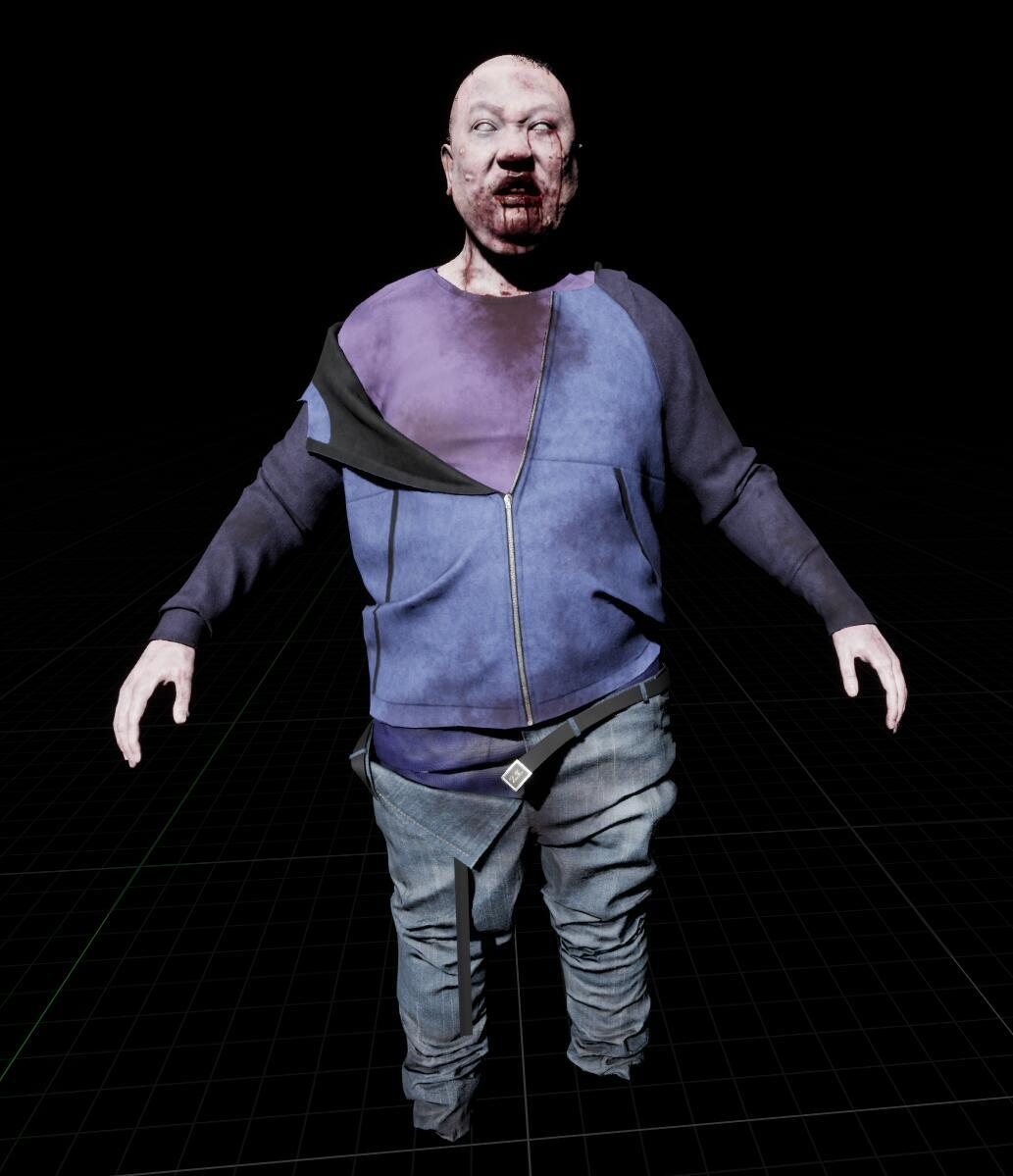
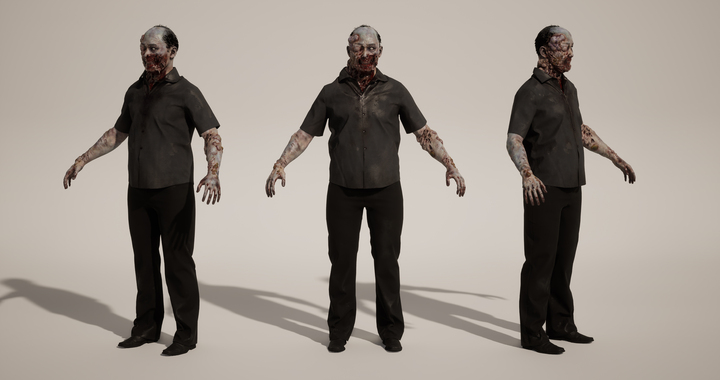
### Enemies: All Zombies
The Enemies on Last Remains are known as zombies. These undead adversaries come in various forms, each presenting unique challenges to the players. With a planned development of 20 different zombie variations, players can expect a diverse range of encounters. Each zombie type will have its own artificial intelligence (AI) programming, along with varying levels of health and damage potential. This diversity in enemy types adds depth and unpredictability to the gameplay, requiring players to adapt their strategies continually.
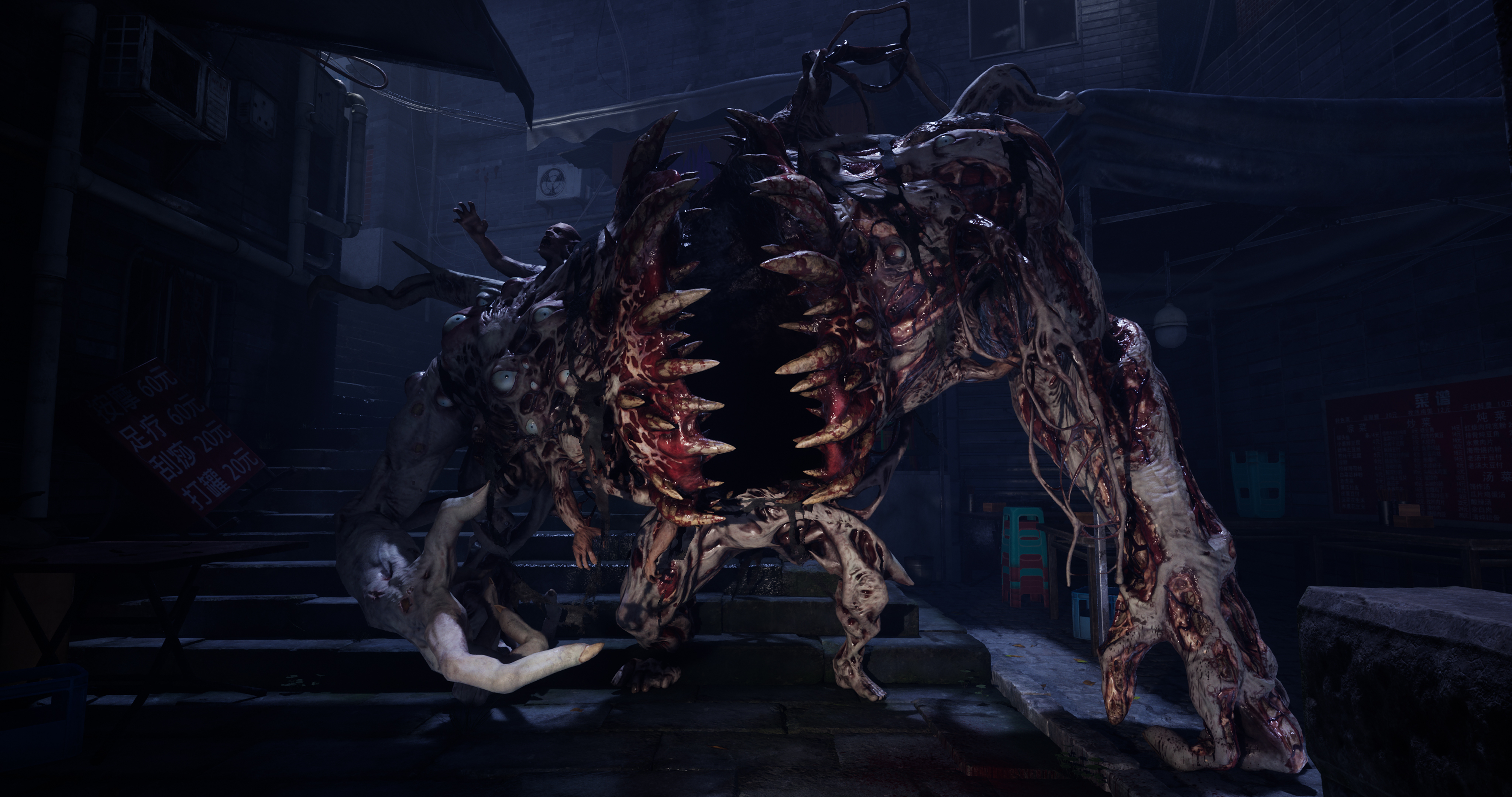
### Bosses: Larger, More Formidable Zombies
In addition to the regular zombies, the game features more formidable adversaries known as Bosses. These Bosses are larger and more challenging than the standard zombies. They are randomly enabled at the beginning of each game, adding an element of surprise and requiring strategic thinking to overcome. The rewards for defeating these Bosses or exploring the areas they guard are intentionally kept secret, encouraging the player community to explore and discover these advantages as the game evolves.